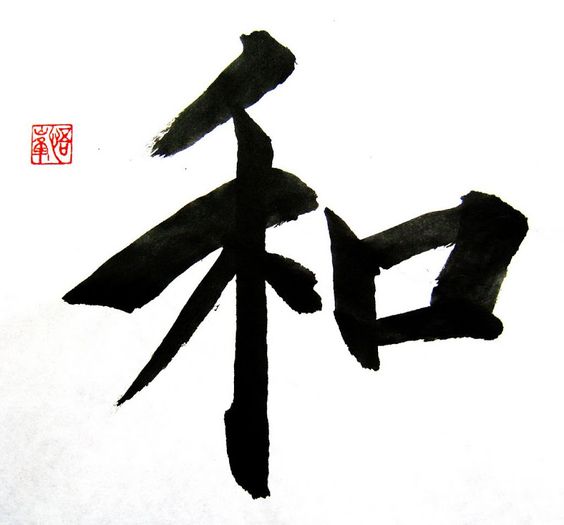
The Concept of Wa (和)
Wa (和) is the core principle of harmonious balance in relationships, emphasizing group cohesion, mutual respect, and emotional regulation. Wa serves as a foundational idea in Japanese business culture, serving a key function in negotiations. The purpose of endorsing Wa is to ensure that members of a company are focused on the best interests of the company and do not focus on their own interests. What Wa looks like in practice during a meeting is subtle suggestions or gestures, instead of direct comments. There will not be any debating or comments based on personal opinion.
Prioritizing Long Term Relationships
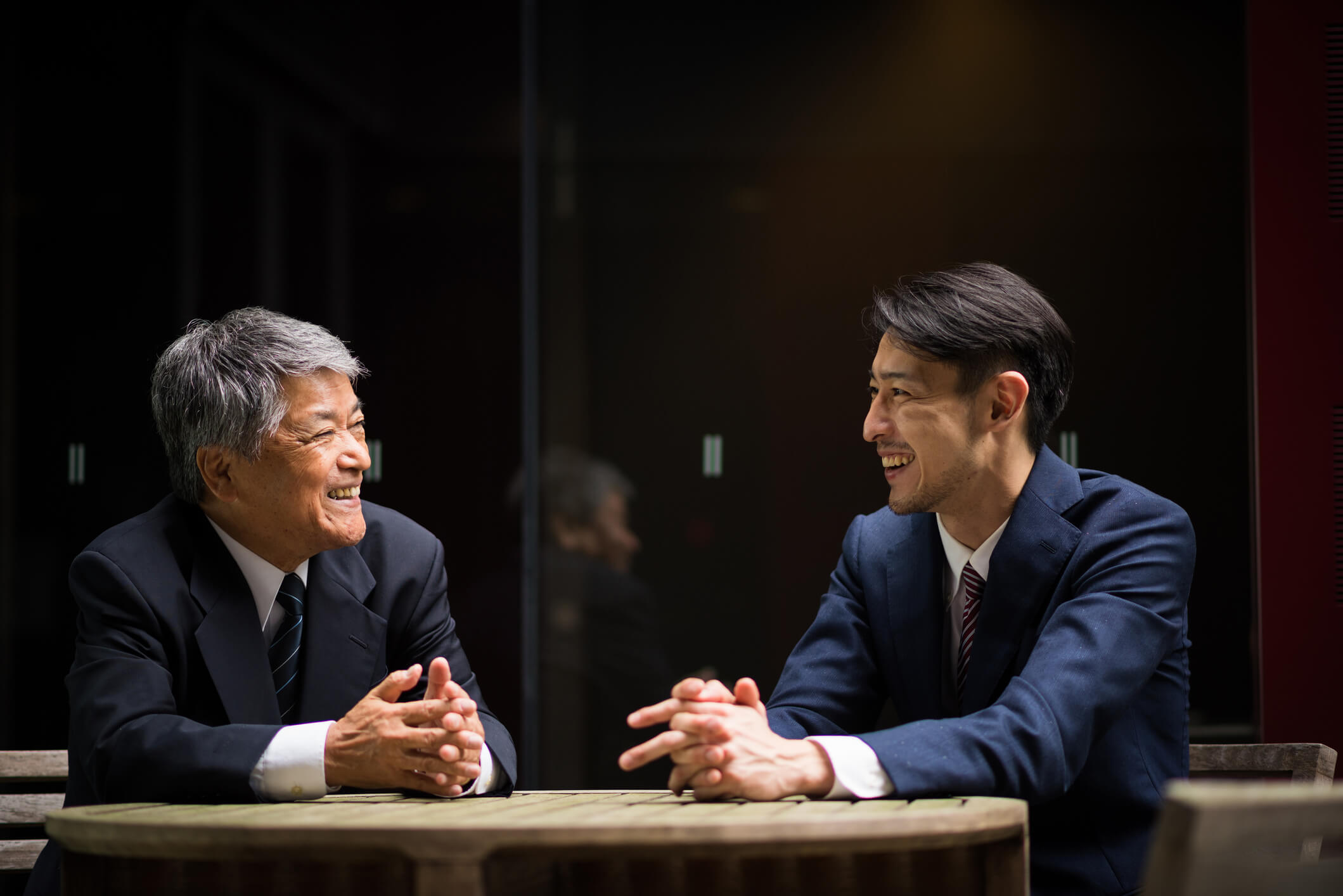
During negotiations, businesses will always favor building partnerships with companies with whom they have a long-term relationship. These relationships are typically built over multiple years. The concept of Shinrai (信頼) is the foundation of creating a meaningful long-term relationship. Shinrai means trust that is developed slowly over time through honesty, respect, and reliability. Consistent behaviors are more valuable compared to flashy gestures. An example of Shinrai would be practicing punctuality. Not only is arriving on time for events integral, but also submitting work in a timely fashion and respecting deadlines meet the criteria for Shinrai. If you make a promise or agree to a task, following through on those obligations demonstrates that your company can be trusted in the future. As you build Shinrai, managers will often delegate more tasks to you and allow you to complete work independently. In the context of business-to-business, actions like punctuality apply too. Businesses can build trust with one another through their employee’s actions.
Source: https://japanintercultural.com/free-resources/articles/why-do-japanese-punctuate-their-conversation-with-so-many-non-word-sounds/
Building Consensus and Final Decision
The practice of nemawashi (根回し) —previously discussed on the meetings page— is making decisions internally as a group that is meant to benefit the interests of the company. Nemawashi can be seen as a way to build consensus among members of a company. Creating a ringisho (稟議書), a formal document used to gain approval for decisions, is a common step in nemawashi. A ringisho starts as a written document that outlines a plan or a new project idea. The initial document is then circulated among medium-level managers who place their personal seal on the document if they approve it. The document passes upwards for further consideration by upper-level managers. A ringisho is a perfect example of nemawashi and how consensus is built because the document is the opportunity for all levels to voice their approval, as only senior members from both parties will be active in the actual business meeting. Senior members will always take priority over junior members, and this is expressed in the concept of the senpai–kōhai (先輩-後輩) system. In short, the decisions are discussed as a group, but ultimately the final decision belongs to the members with the most seniority.

Source: https://medium.com/%40chikwandajacob9/understanding-culture-through-hofstedes-6-d-model-f6a80d9660c1